USE CASE

Sign Contracts Digitally: With a Legally Binding QES

Turn every contract, loan agreement, or power of attorney into a fully digital, legally binding transaction in minutes. No paper, no branch visit, no media break.

Icon_Problems

Challenge

Certain digital contracts require a qualified electronic signature (QES), which depends on prior ID verification. Most providers split identification and signing across different platforms and apps, causing high drop-off rates, slower deals, and revenue loss.

Icon_Solutions

Solution

Our product suite combines identity verification and e-signing in one browser-based process across three products: QES, identification for Trust Service Providers, and screen-based signing. The process is fully compliant and customisable to your legal or UX needs.

Icon_Applications

Applications

Our e-signatures are ideal for B2B businesses such as banks, insurers, leasing, and telecom providers. They support remote and point-of-sale onboarding, contract conclusions, or account openings, and integrate smoothly into existing workflows.

Three ways to sign, one platform

Not every contract requires the same level of signature. That's why we offer a range of complementary solutions, allowing you to select the required level of legal certainty for each transaction and combine them as your business grows.
QES for B2C

PXL Sign

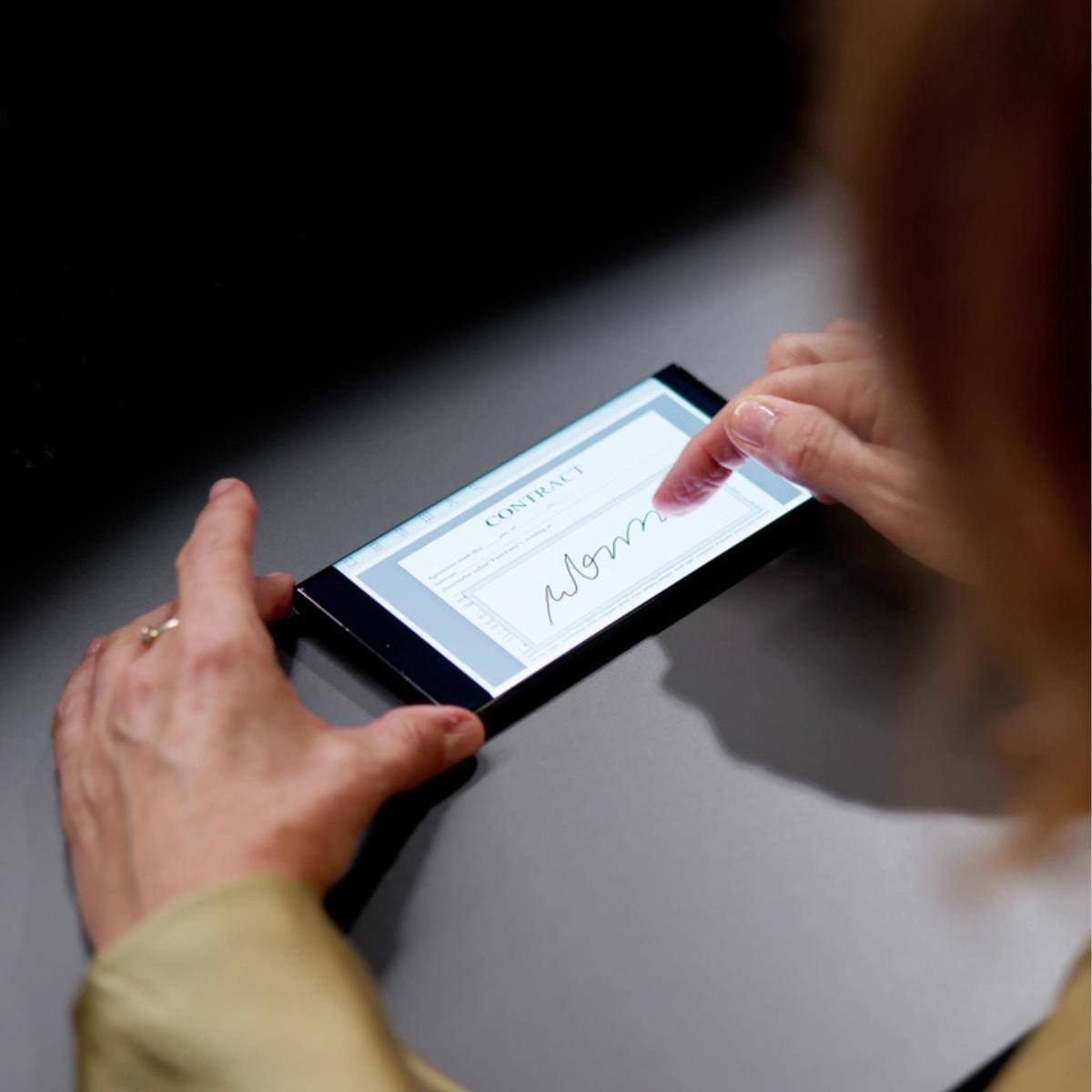
PXL Sign is our end-to-end signature solution for B2C and B2B2C transactions: identity verification and signing combined in a single, browser-based journey. It supports QES and enables seamless onboarding without then need to register on multiple platforms.

QES for Trust Service Providers

PXL Ident for QES

PXL Ident for QES offers an ETSI TS 119 461, ZertES- and eIDAS-compliant identity verification layer for issuing qualified electronic signatures. Pre-integrated on TSPs, it requires no app download so customers can identify themselves and sign directly in the browser.

Visual Signature on a Screen

Sign on Screen

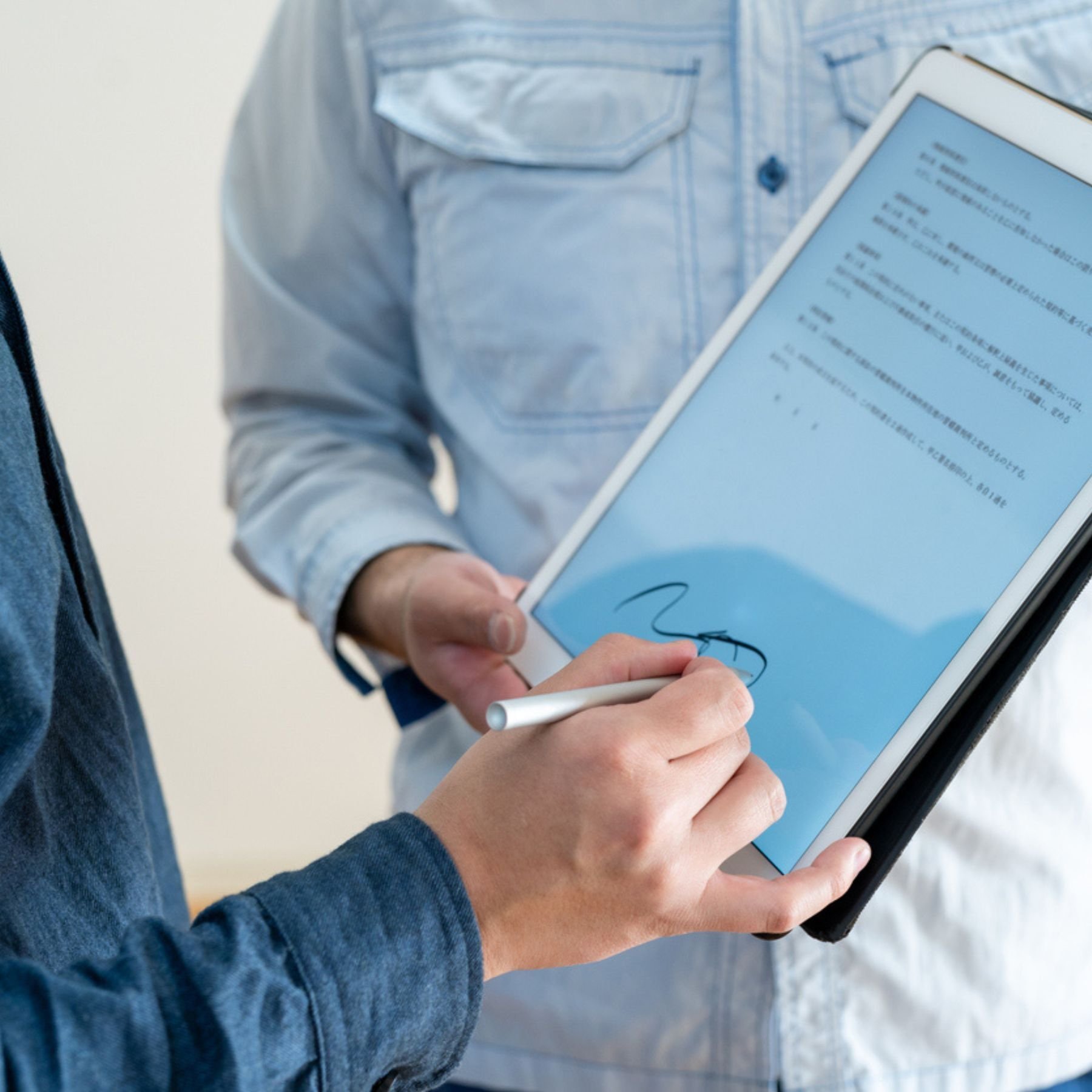
PXL Sign on Screen enables online and point-of-sale signing directly on a tablet or touchscreen. Supporting single and multi-party signatures, it can be combined with ID and face verification where extra certainty is needed. PXL SoS can be easily integrated directly into your CRM.

BENEFITS Why is the right digital signing process important for your business?

dashboard
Faster contract completion

Guide your customers from identity check to signed document in minutes, not days. Allow them to complete the entire process in one uninterrupted workflow with no waiting time in between.

Increase conversion rate
Higher conversion
There is no need to download an app, no media break and no redirect to a third party provider. Every extra step increases the risk of losing the customer. Our browser-based process keeps customers engaged from start to finish.
GDPR Compliant
Full legal compliance

Our qualified signing process complies with both eIDAS and ZertES, giving every signature the same legal validity as a handwritten one. This means you can rely on it in court, during an audit or across EU and Swiss jurisdictions.

house thumbs up
Consistent user experience

Signing works the same way on a phone, tablet or in-store touchscreen, with an instantly intuitive process, starting with a deep link or a QR Code. Transactions can be paused and resumed anytime, so a busy moment never results in a lost contract.

Lower operating costs

Replace paper, printing, postage and manual verification with a fully digital process. Structured data flows straight into your CRM, reducing administrative efforts and costs.


Manual Check as an add-on
End-to-end digitalisation

Remove the last paper-based step from your customer journey. With one REST API, identity verification and e-signing become an integral part of your digital onboarding, sales and contracting processes.

Insecure of which signature solution works best for your use case?

Frequently asked questions about electronic signing:

What is a qualified electronic signature (QES)?

Qualified electronic signature (QES) is the highest legal standard for e-signatures under the EU's eIDAS Regulation and Switzerland's ZertES Law. It has the same legal validity as a handwritten signature, but the signer's identity must first be verified by a certified process.

Why is identity verification required for a qualified electronic signature?

Because a QES certificate can only be issued to a verified individual. Under eIDAS and ZertES, the identity check and the signing certificate are legally linked. Without certified identification, the signature does not qualify as 'qualified' and does not carry the same legal weight.

What is the difference between simple, advanced and qualified electronic signatures?

A simple electronic signature (e.g. a signature drawn on a screen) provides basic proof of intent, but offers limited legal certainty. An advanced electronic signature involves stronger identity and integrity checks, but it is technology-agnostic and not standardised. A qualified electronic signature (QES), issued by a certified Trust Service Provider using a qualified certificate, carries the same legal effect as a handwritten signature across the EU and Switzerland.

Which industries need a qualified electronic signature?

Banks, insurers, leasing and telecoms providers, and any other regulated businesses that sign contracts requiring full legal enforceability, such as loan agreements, leasing contracts, insurance policies and powers of attorney, typically require a QES for compliance and audit purposes.

How does PXL Vision combine identity verification and e-signing?

PXL Sign carries out identity verification and e-signing in a single browser-based flow, meaning customers never need to leave the platform or download a separate app to complete the process.

What is the purpose of PXL Ident for QES?

PXL Ident for QES is a certified identity verification module designed for Trust Service Providers who issue qualified electronic signatures. It is certified to ETSI TS 119 461 by KPMG, and comes pre-integrated with Swisscom Trust Services and A-Trust.

Can contracts be signed in person as well as remotely?

Yes. Sign on Screen is designed for face-to-face signing at a branch, point of sale or during a video call using a tablet or touchscreen. It can be combined with ID and face verification for added security and supports multiple signatories on one document.

Does the signing process require customers to download an app?

No, all three PXL Vision products run entirely in the browser. There is no need to download an app or be redirected to a separate provider, which is a key factor in reducing drop-off during signing.

Is PXL Vision's identity verification compliant with eIDAS and ZertES?

Yes. PXL Sign and PXL Ident for QES is built to meet both the EU's eIDAS regulation and Switzerland's ZertES law, and has been certified against the ETSI TS 119 461 standard by KPMG.

How does digital signing integrate with existing systems?

PXL Vision products integrate via a single REST API, connecting directly to CRM systems. This means that identity data and signed documents can flow into existing onboarding, sales and contracting workflows without the need for manual re-entry.

READ MORE More on the topic of electronic signing
signature_hands_sign

What is a Qualified Electronic Signature (QES)?

Discover how QES ensures maximum legal validity and seamless digital compliance.
Sign on Screen in Practice

One-Shot-Signature explained


What is a one-shot signature? Discover how it combines identity verification and qualified electronic signatures (QES) into a single, seamless step.

virtual-meeting-6693816_1280

Electronic Signature: Security, Legitimacy and Efficiency

Discover the different e-signature types, their legal validity, and which use cases they suit best.
Electronic signing with PXL Sign

ZertES Compliance explained

What is ZertES? Discover how the Swiss digital signature standard ensures legally binding contracts and integrates identity verification.